

Online · Stanford ARISE
ARISE Healthcare AI Executive Course
An online executive course for physicians putting generative and agentic AI to work in clinical practice.
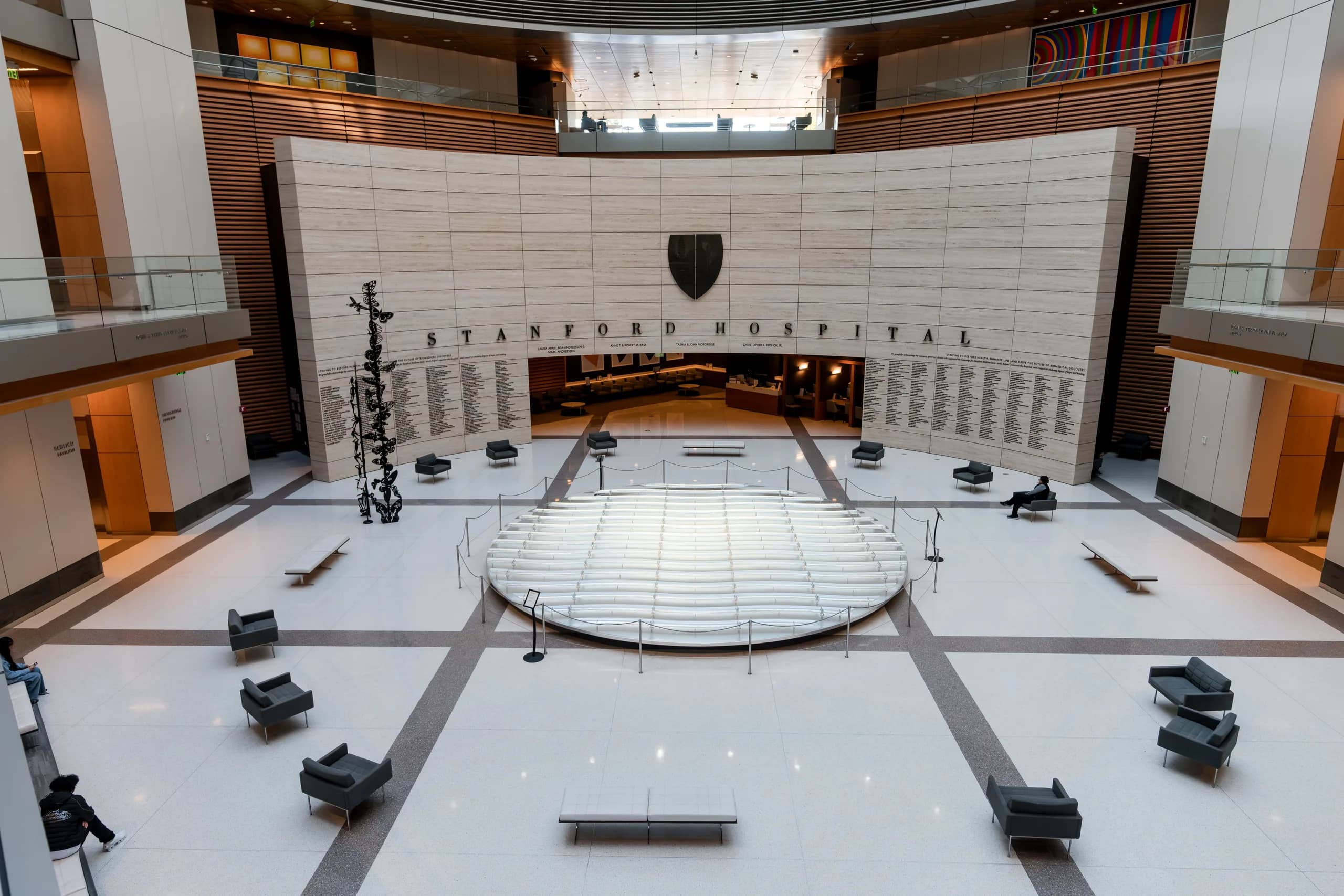

Generative and agentic AI, for the physicians using it.
Faculty from the teams building healthcare AI






What you can expect
Frontier-lab perspective and Stanford Medicine teaching, aimed at the clinicians who will actually be using these systems.
Frontier-Lab Perspective
How the teams at OpenAI, Anthropic, and Google are building for healthcare — direct from the people doing it.
Generative & Agentic AI in Practice
What these systems do well, where they fail, and how to judge a tool you did not build.
A Stanford Credential
Stanford certification and CME points on completion, earned entirely online.
The format
How it runs
Practising physicians and mid-career clinical professionals. Delivered entirely online.
Online, wherever you practise
The whole program runs online. No travel, no visa, no time away from your service.
Mostly on-demand
Work through the core material on your own schedule, around clinic and call.
Live faculty sessions
Scheduled sessions with faculty from the frontier labs and Stanford Medicine — recorded, so a bad week never costs you the session.
Built for clinicians
Written for physicians who will be using these tools in practice, not for the people procuring them.
Program Directors
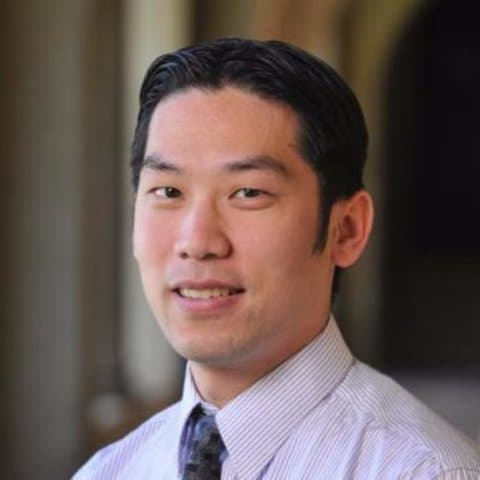
Jonathan H. Chen, MD, PhD
Stanford Medicine Director for Medical Education in Artificial Intelligence Division of Computational Medicine
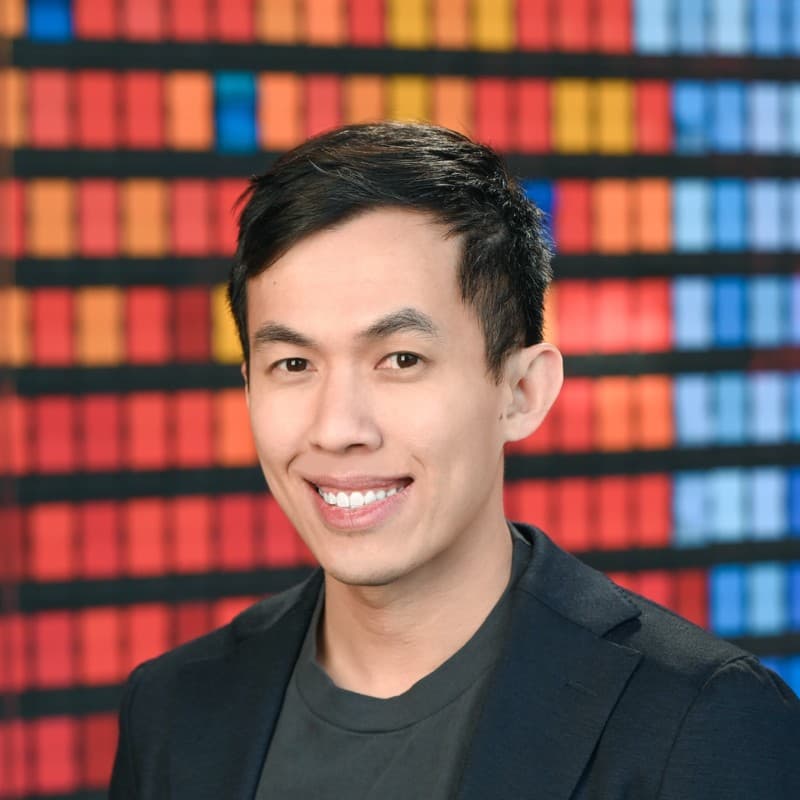
Ethan Goh, MD, MS
Executive Director, Stanford ARISE (AI Research and Science Evaluation) Network
Program Team
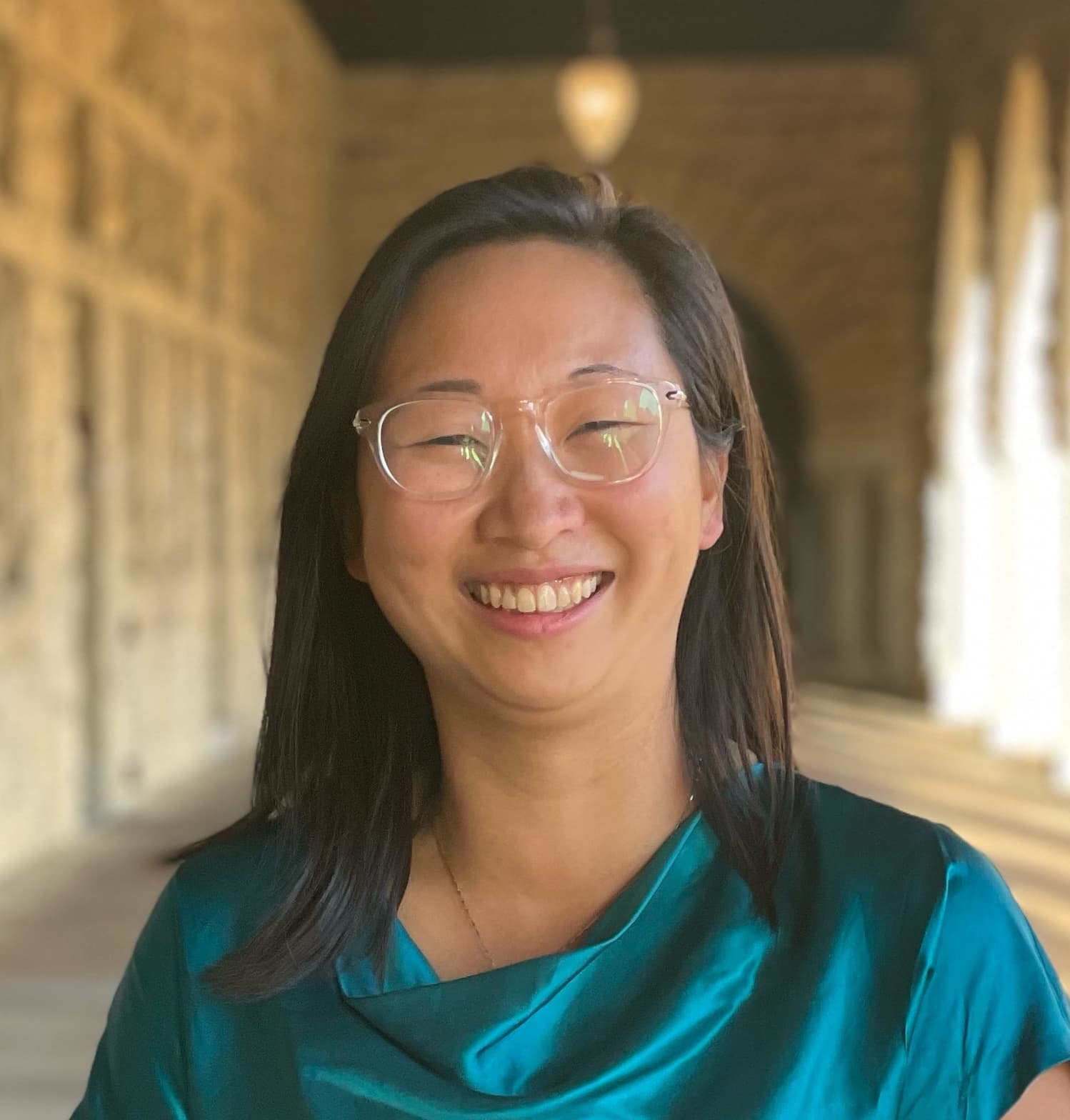
Julia Lin
Program Lead
Stanford HAILS
Faculty
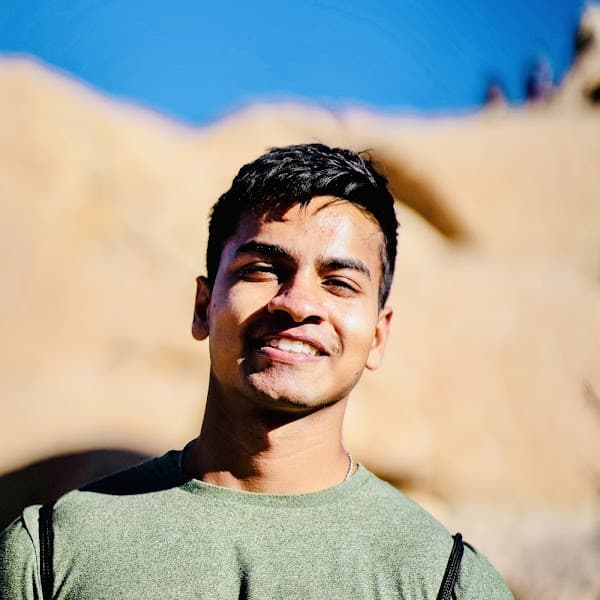
Karan Singhal
Member of Technical Staff · ChatGPT for Health
OpenAI
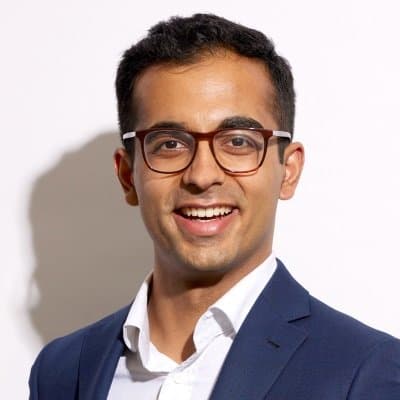
Rahul Arora
Member of Technical Staff · HealthBench
OpenAI
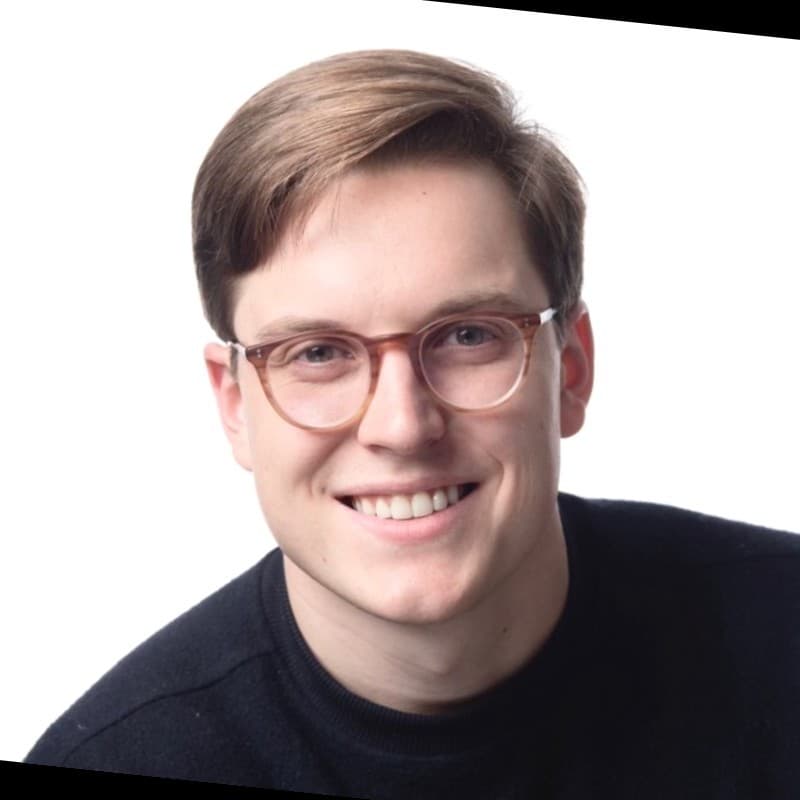
Paxton Maeder-York
Partnerships
Anthropic
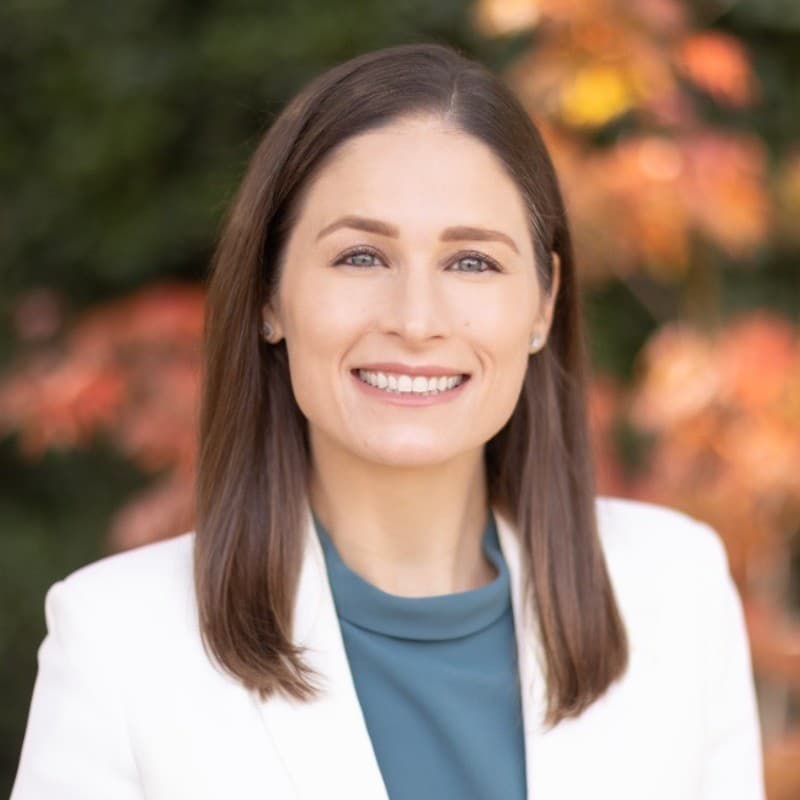
Jacqueline Shreibati
Clinical Director, Consumer Health
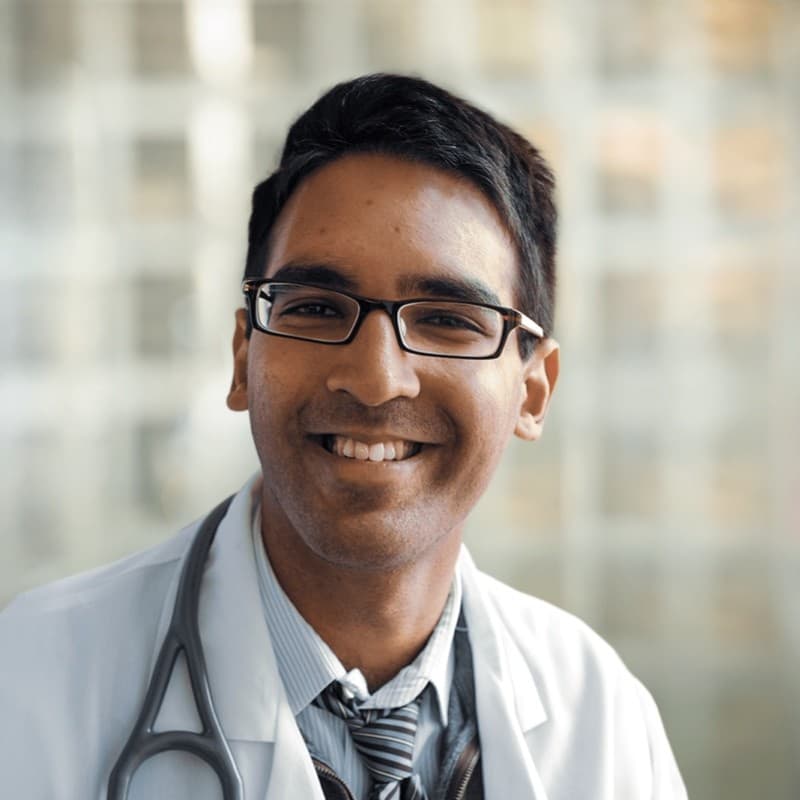
Shantanu Nundy
Advisor on AI · Office of the Commissioner
FDA
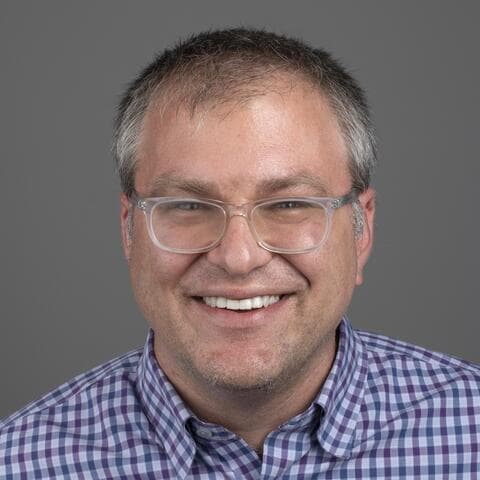
Adam Rodman
Director of AI Programs
Harvard Medical School
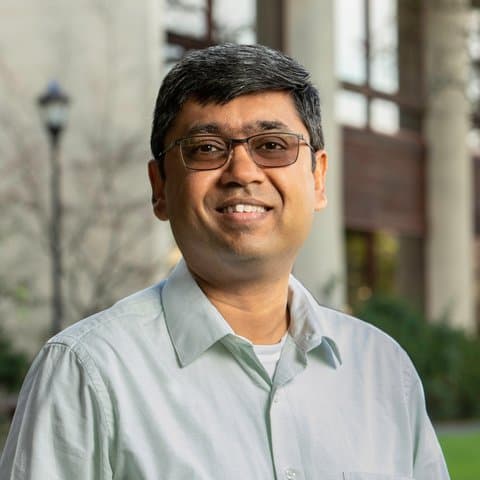
Nigam Shah
Chief Data Scientist
Stanford Health Care
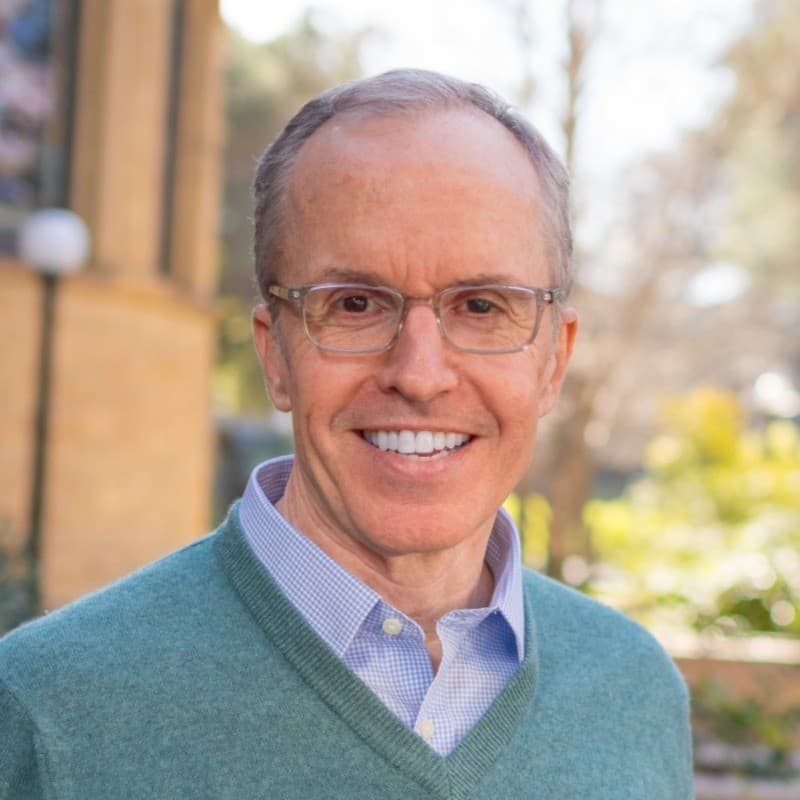
Curt Langlotz
Director
Stanford AIMI
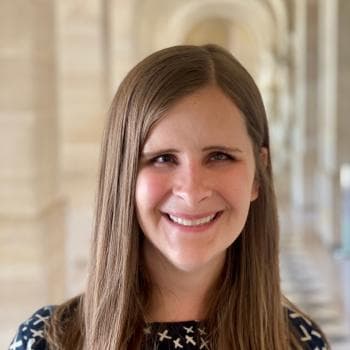
Emily Alsentzer
Assistant Professor
Stanford Biomedical Data Science
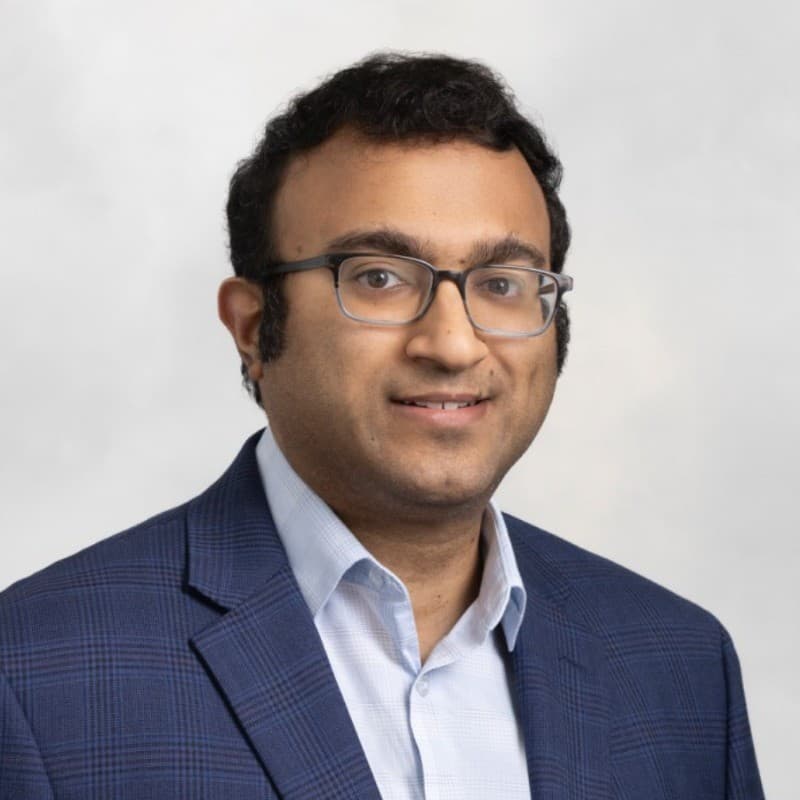
Vishnu Ravi
Clinical Assistant Professor
Stanford Medicine
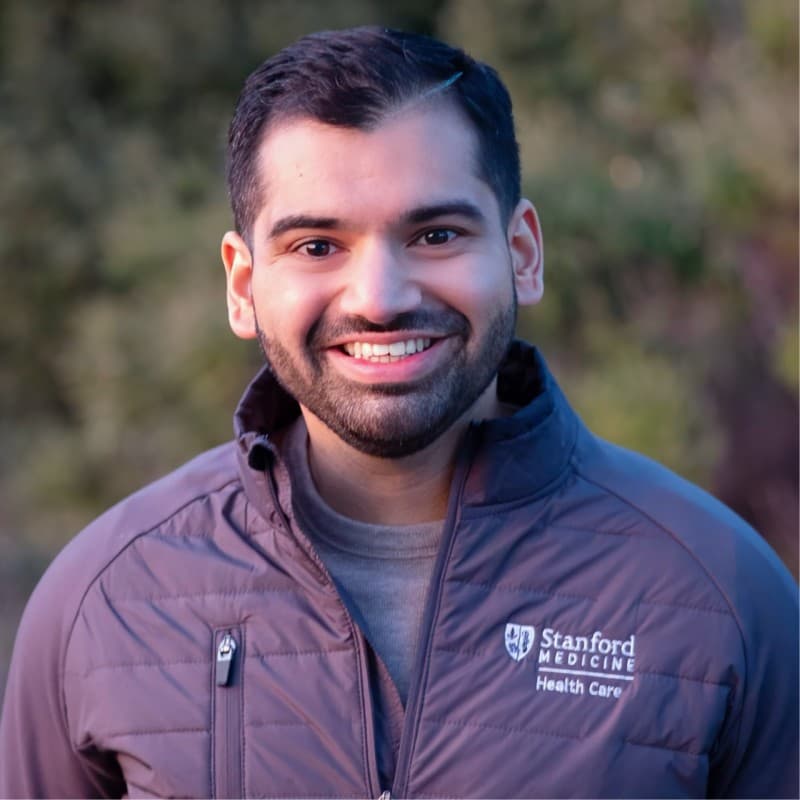
Shivam Vedak
Clinical Assistant Professor
Stanford Hospital Medicine
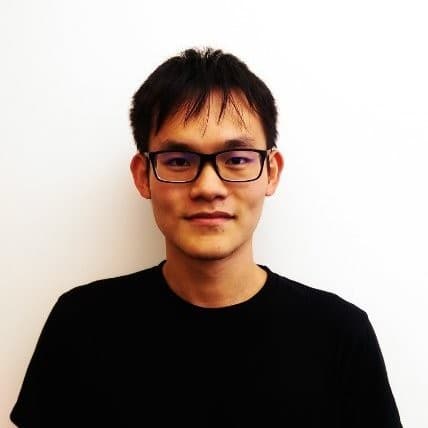
Cameron Chen
Research & Eng Lead, Health AI
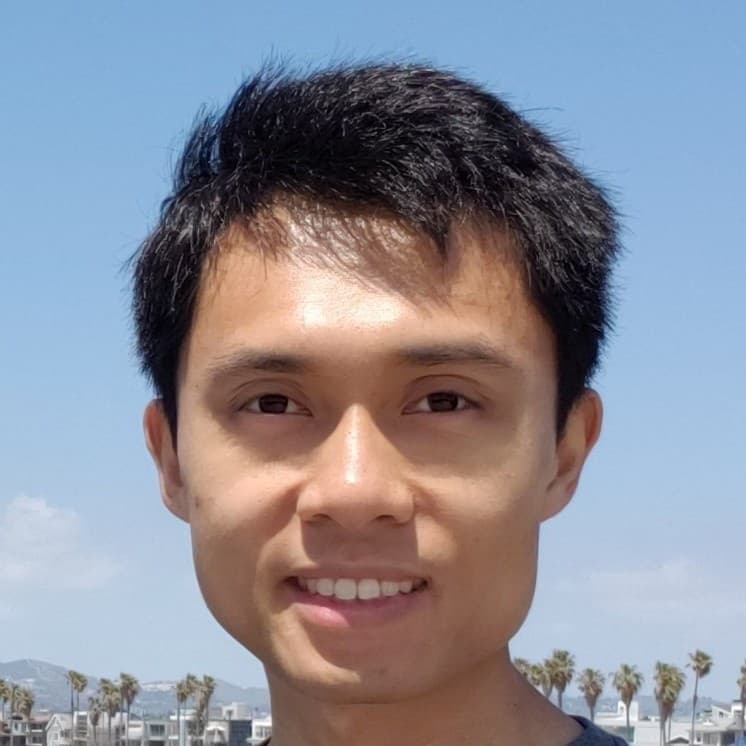
Yun Liu
Senior Staff Research Scientist, Health AI
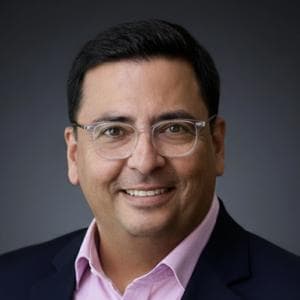
Okan Ekinci
Global Head of Digital Technology & CMIO
Roche Information Solutions
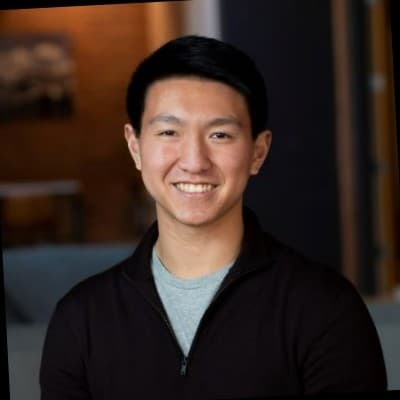
Derek Xiao
Principal Investor
Menlo Ventures
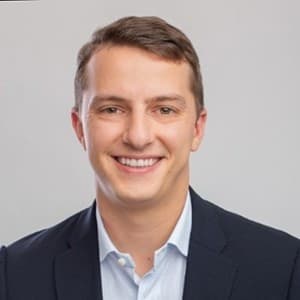
Tommaso Auerbach
Investor
Frist Cressey Ventures
Stanford HAILS · On campus
The program behind the course
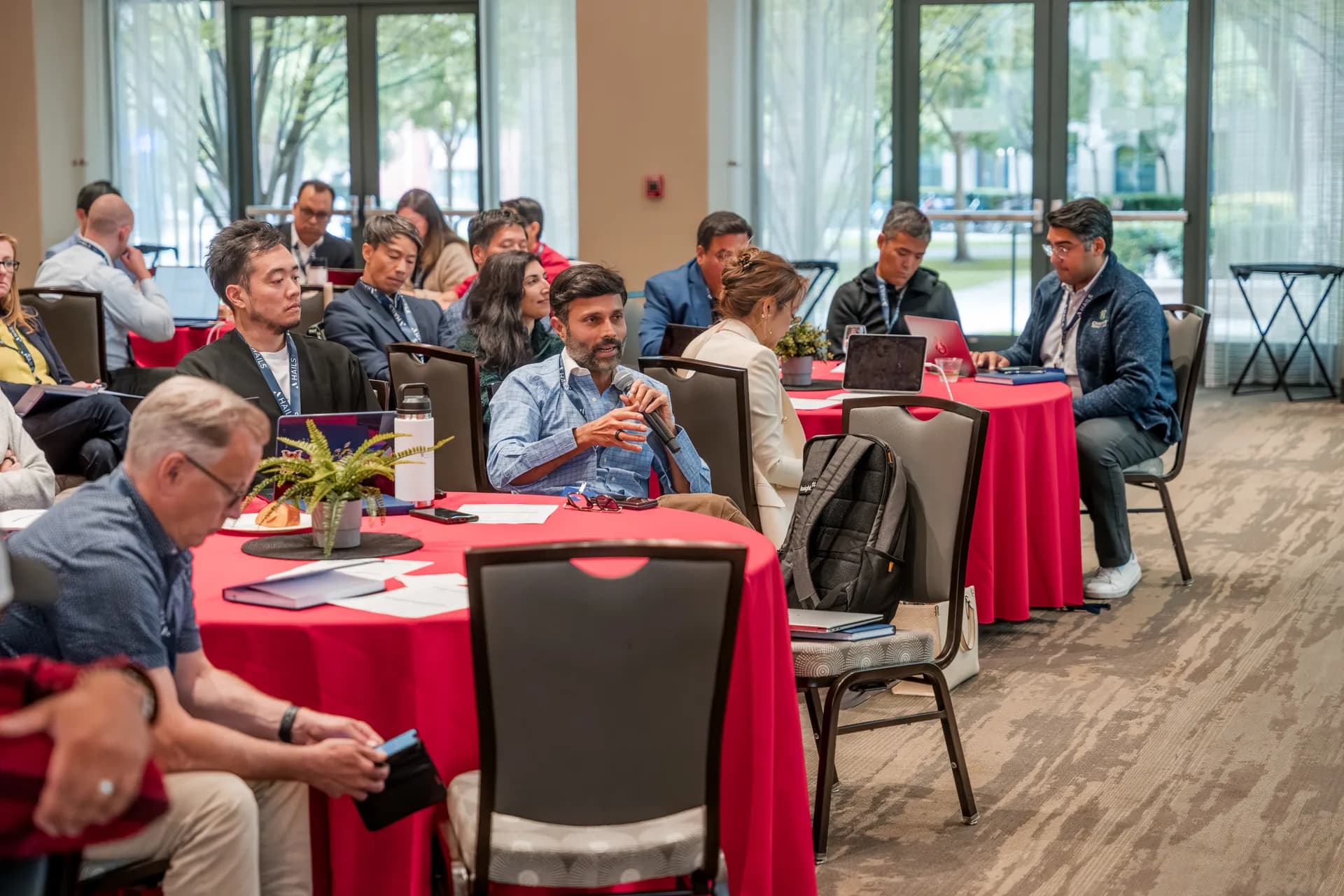
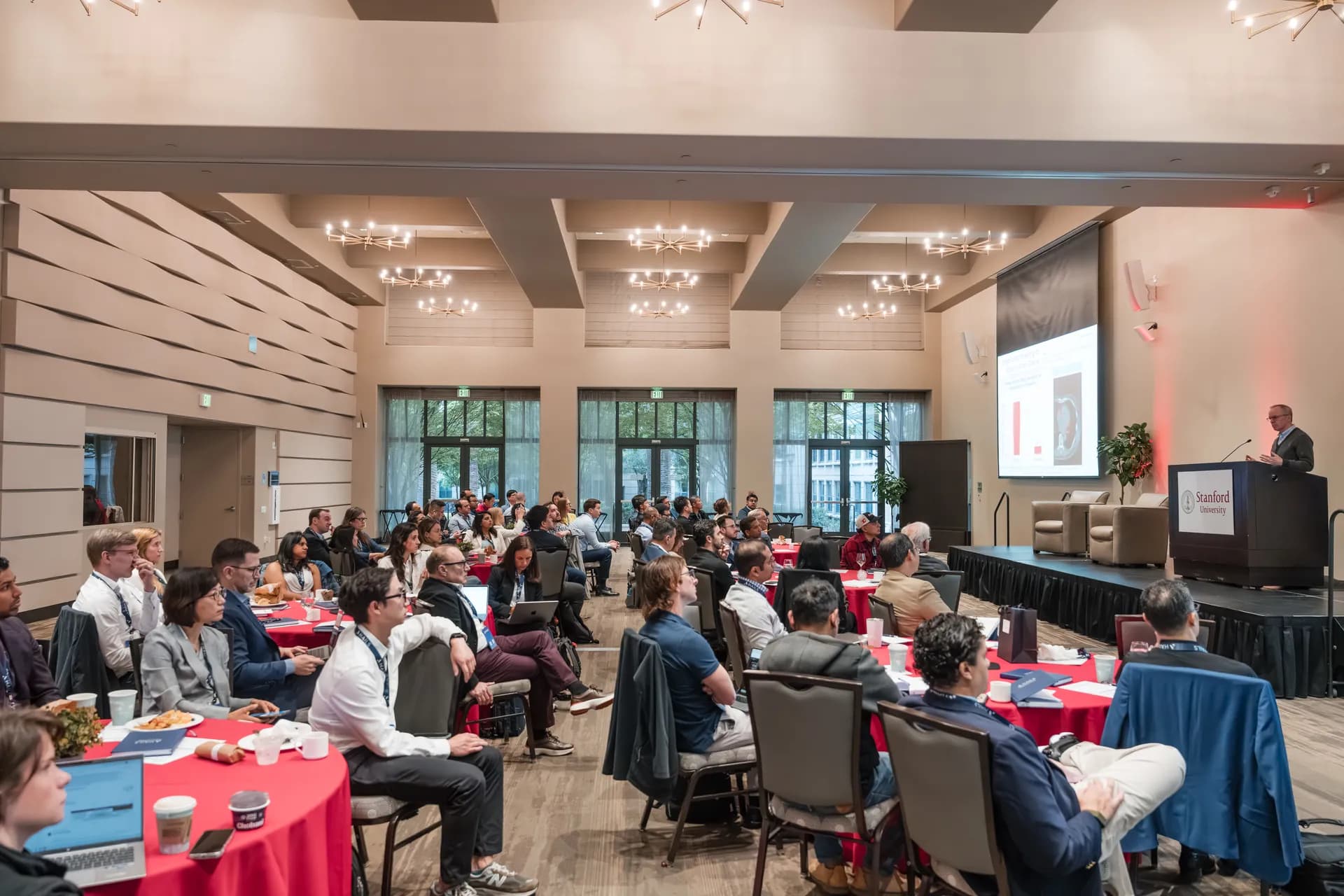
This course is built on Stanford HAILS, the on-campus program ARISE runs at Stanford Medicine. The sessions below are from that program — the online course draws on the same faculty and the same material, delivered remotely.
Program recap
Footage from the Stanford HAILS campus program at Stanford University.
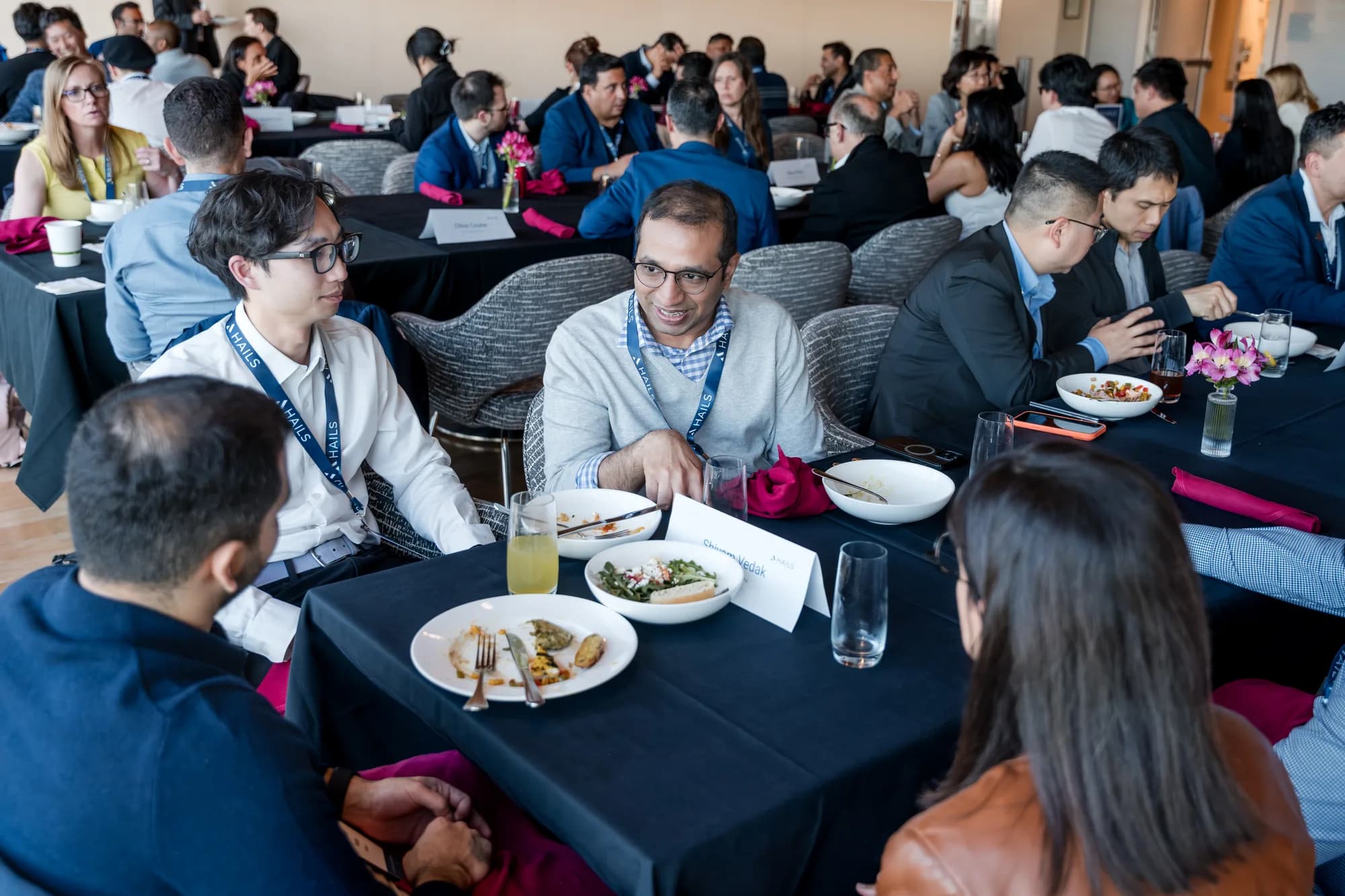
Inside the room
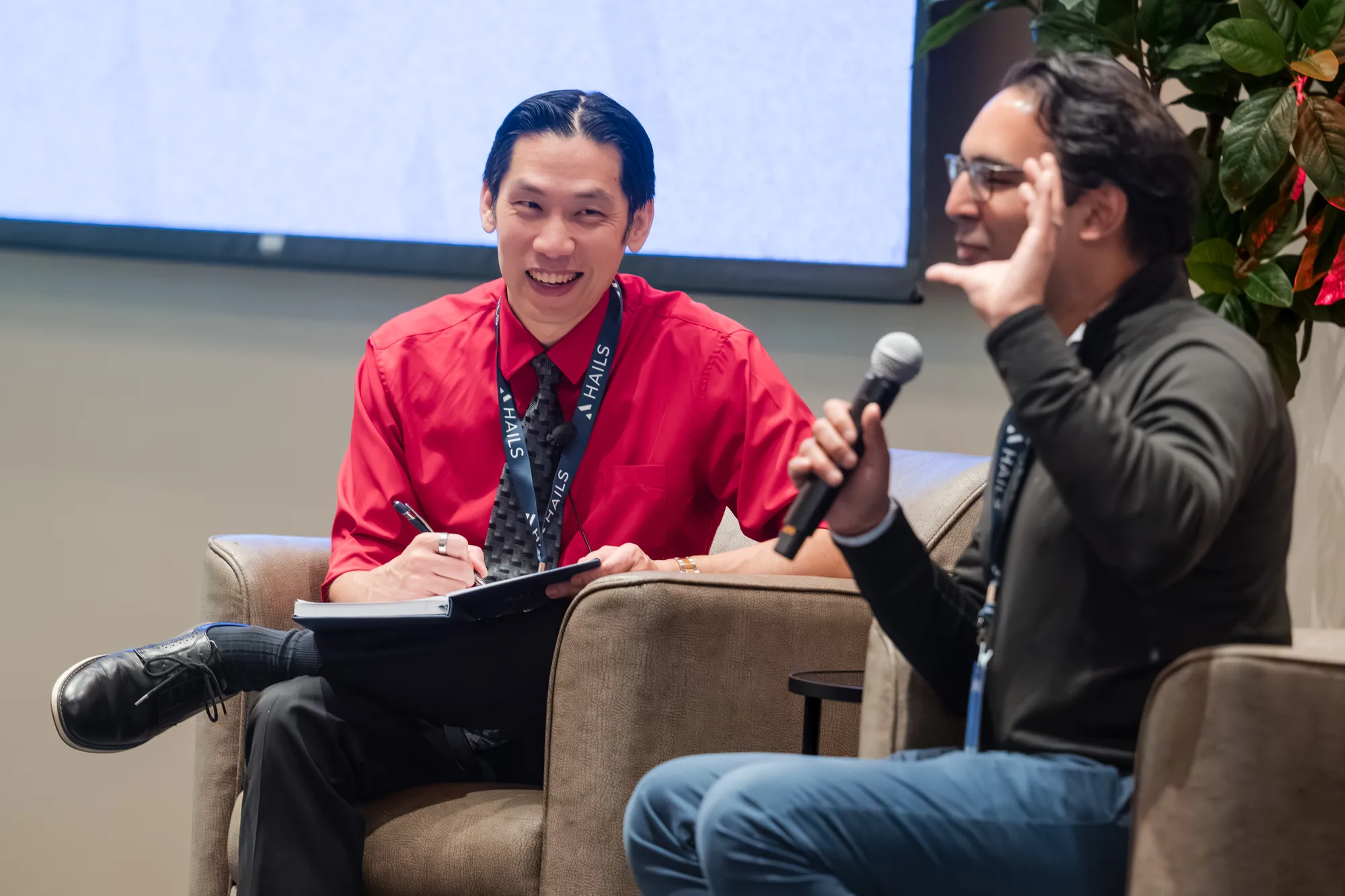
Photography from the Stanford HAILS campus program.
Around the program
Also photographed at the Stanford HAILS campus program.
“It has been a privilege to be part of the first cohort. Connecting face-to-face with leaders who are actively shaping the future of health AI was inspiring.”

Section Chief, Transfusion Medicine · University of Utah
“What I saw at Stanford was foundation models deployed at real scale, in real clinical workflows. Not pilots. Not demos. Production. The hard problem in healthcare AI isn't accuracy — it's what we build around the model, and who stays accountable when it's wrong.”

Radiologist
“The bottleneck is no longer the model; it is deployment. You can build increasingly powerful models, but if the technology cannot navigate clinical workflows, regulation, and provider adoption, it will never create meaningful impact for patients.”

First HAILS cohort
“Had an amazing — dare I say magical — few days. Meeting likeminded people, hearing from world-renowned speakers, and building a community driving the future of healthcare AI is what made HAILS so special.”

Clinician & Founder
“The hard part isn't whether a model works, but getting it into routine use and keeping it working there — validating it locally, rolling it out in stages, and watching performance well after launch.”

First HAILS cohort
“A week at Stanford University gave me enough to digest and reflect on for the rest of the year. No AI model can fix an ineffective system — we've got to fix the cracks in the process first, to make it ready for AI.”

First HAILS cohort
“In healthcare, relationships move at the speed of trust — and two days with people from OpenAI, Anthropic, Google, Roche, Stanford, Harvard, the FDA and Menlo Ventures go a long way.”

First HAILS cohort
“The room was never static. Two days of digging into where AI is really showing up in healthcare and where it's headed, with a cohort that came at it from every angle.”

First HAILS cohort
“Physicians and surgeons need to be involved at the beginning of the build, and have a seat at the table where implementation decisions happen, if we want an end result that actually helps us and our patients.”

Surgeon
“Thank you to the Stanford HAILS team for an amazing 2 days of immersive AI experience. Great speakers, dialogue and networking!”

Gastroenterologist
“A perfect balance of high-level strategic thinking and the practical, 'bring-your-own-problem' reality of implementing AI in healthcare and life sciences.”

First HAILS cohort
“It has been a privilege to be part of the first cohort. Connecting face-to-face with leaders who are actively shaping the future of health AI was inspiring.”
Section Chief, Transfusion Medicine · University of Utah
“What I saw at Stanford was foundation models deployed at real scale, in real clinical workflows. Not pilots. Not demos. Production. The hard problem in healthcare AI isn't accuracy — it's what we build around the model, and who stays accountable when it's wrong.”
Radiologist
“The bottleneck is no longer the model; it is deployment. You can build increasingly powerful models, but if the technology cannot navigate clinical workflows, regulation, and provider adoption, it will never create meaningful impact for patients.”
First HAILS cohort
“Had an amazing — dare I say magical — few days. Meeting likeminded people, hearing from world-renowned speakers, and building a community driving the future of healthcare AI is what made HAILS so special.”
Clinician & Founder
“The hard part isn't whether a model works, but getting it into routine use and keeping it working there — validating it locally, rolling it out in stages, and watching performance well after launch.”
First HAILS cohort
“A week at Stanford University gave me enough to digest and reflect on for the rest of the year. No AI model can fix an ineffective system — we've got to fix the cracks in the process first, to make it ready for AI.”
First HAILS cohort
“In healthcare, relationships move at the speed of trust — and two days with people from OpenAI, Anthropic, Google, Roche, Stanford, Harvard, the FDA and Menlo Ventures go a long way.”
First HAILS cohort
“The room was never static. Two days of digging into where AI is really showing up in healthcare and where it's headed, with a cohort that came at it from every angle.”
First HAILS cohort
“Physicians and surgeons need to be involved at the beginning of the build, and have a seat at the table where implementation decisions happen, if we want an end result that actually helps us and our patients.”
Surgeon
“Thank you to the Stanford HAILS team for an amazing 2 days of immersive AI experience. Great speakers, dialogue and networking!”
Gastroenterologist
“A perfect balance of high-level strategic thinking and the practical, 'bring-your-own-problem' reality of implementing AI in healthcare and life sciences.”
First HAILS cohort
“It has been a privilege to be part of the first cohort. Connecting face-to-face with leaders who are actively shaping the future of health AI was inspiring.”
Section Chief, Transfusion Medicine · University of Utah
“What I saw at Stanford was foundation models deployed at real scale, in real clinical workflows. Not pilots. Not demos. Production. The hard problem in healthcare AI isn't accuracy — it's what we build around the model, and who stays accountable when it's wrong.”
Radiologist
“The bottleneck is no longer the model; it is deployment. You can build increasingly powerful models, but if the technology cannot navigate clinical workflows, regulation, and provider adoption, it will never create meaningful impact for patients.”
First HAILS cohort
“Had an amazing — dare I say magical — few days. Meeting likeminded people, hearing from world-renowned speakers, and building a community driving the future of healthcare AI is what made HAILS so special.”
Clinician & Founder
“The hard part isn't whether a model works, but getting it into routine use and keeping it working there — validating it locally, rolling it out in stages, and watching performance well after launch.”
First HAILS cohort
“A week at Stanford University gave me enough to digest and reflect on for the rest of the year. No AI model can fix an ineffective system — we've got to fix the cracks in the process first, to make it ready for AI.”
First HAILS cohort
“In healthcare, relationships move at the speed of trust — and two days with people from OpenAI, Anthropic, Google, Roche, Stanford, Harvard, the FDA and Menlo Ventures go a long way.”
First HAILS cohort
“The room was never static. Two days of digging into where AI is really showing up in healthcare and where it's headed, with a cohort that came at it from every angle.”
First HAILS cohort
“Physicians and surgeons need to be involved at the beginning of the build, and have a seat at the table where implementation decisions happen, if we want an end result that actually helps us and our patients.”
Surgeon
“Thank you to the Stanford HAILS team for an amazing 2 days of immersive AI experience. Great speakers, dialogue and networking!”
Gastroenterologist
“A perfect balance of high-level strategic thinking and the practical, 'bring-your-own-problem' reality of implementing AI in healthcare and life sciences.”
First HAILS cohort
“It has been a privilege to be part of the first cohort. Connecting face-to-face with leaders who are actively shaping the future of health AI was inspiring.”
Section Chief, Transfusion Medicine · University of Utah
“What I saw at Stanford was foundation models deployed at real scale, in real clinical workflows. Not pilots. Not demos. Production. The hard problem in healthcare AI isn't accuracy — it's what we build around the model, and who stays accountable when it's wrong.”
Radiologist
“The bottleneck is no longer the model; it is deployment. You can build increasingly powerful models, but if the technology cannot navigate clinical workflows, regulation, and provider adoption, it will never create meaningful impact for patients.”
First HAILS cohort
Reflections from the first Stanford HAILS campus cohort, not the online course.
In partnership with


Be first in line for early 2027
Enrolment hasn’t opened. The waitlist gets the dates, the curriculum, and the tuition before anyone else.
Looking for the on-campus program?